This is one of the key questions leaders across different companies and departments are asking themselves today. The answer lies in the Adizes methodology, which helps turn your problems into your opportunities rather than your competitors’ opportunities.
The decision has been made, tasks assigned, deadlines agreed. A quarter passes, and the change is stuck. Managers are overloaded, employees resist, and energy goes into approvals and conflicts instead of results.
This is not a discipline or motivation issue. It is a system issue. Most leaders manage change intuitively, without understanding why people resist, how to make decisions in teams with different management styles, or what to do when the company starts becoming bureaucratic.
The Change Management workshop is a practical Adizes methodology program with 40 years of use across companies in 50 countries. It explains why change unfolds the way it does and gives specific tools to make it work differently.
The Adizes methodology
- is a practical tool, not an academic theory;
- is based on the experience of thousands of companies in 50 countries, including nonprofits and even governments;
- has been used successfully for 40 years;
- works in organizations of different sizes, industries, and ownership models;
- has proven effective during local and global crises.
Why change is so costly, and not only in financial terms
Change projects take too long, cost too much, and rarely lead to what was planned. This is not bad luck or a weakness of one particular company. It is a systemic pattern.
When leaders with different management styles make decisions without knowing how to work together, conflict and losses appear. When line managers do not understand the logic of change, they avoid responsibility and wait for things to resolve themselves. When employees are not involved in the process, they resist even objectively sound decisions.
The problem is not people. The problem is the absence of a system: a clear explanation of why this happens and practical tools for what to do about it.
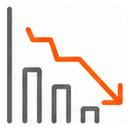
Change projects move slowly and painfully, and in the end they do not deliver the expected results.

Leaders have a weak understanding and limited control over what is happening, and a lot of energy is wasted.

Line managers avoid responsibility and are not ready to make decisions.

Employees are not involved and resist decisions, even when those decisions are objectively right.

It is unclear where to start with major change, but there is a strong sense that change is needed.

You are working more and getting less: the company is growing, but manageability is declining.
Why the Adizes methodology, rather than another change training program
Most change management programs teach how to communicate change and deal with resistance. That is useful, but it does not explain why resistance appears and what sits behind it.
The Adizes methodology answers more fundamental questions: why every organization inevitably has problems, how different management roles create conflict even among good people, what stage of the organizational lifecycle the company is in, and what that means for managing change.
It is not academic theory. It is a practical tool tested in thousands of companies across 50 countries over 40 years, including during local and global crises.
Workshop program
- Module 1: What management is
- Module 2: How to manage people
- Module 3: Cornerstones
- Module 4: Management tools
- Module 5: The organizational lifecycle
- Module 6: How to build a healthy organization
The format is built around participants’ real cases, not abstract examples.
It requires involvement, and that is exactly what makes the result applicable right after the training.
In each module:
- Video materials
- Self-check test
- Homework
Between modules: live webinars with the expert.
Who the program is for
The program is designed for management teams: company and department leaders involved in developing and implementing change.
It suits teams that do not yet have a shared change management system. Some people may have heard of Adizes and others may not; there is no shared language or toolset. The program aligns the team and gives it a common methodological foundation.
Program facilitator
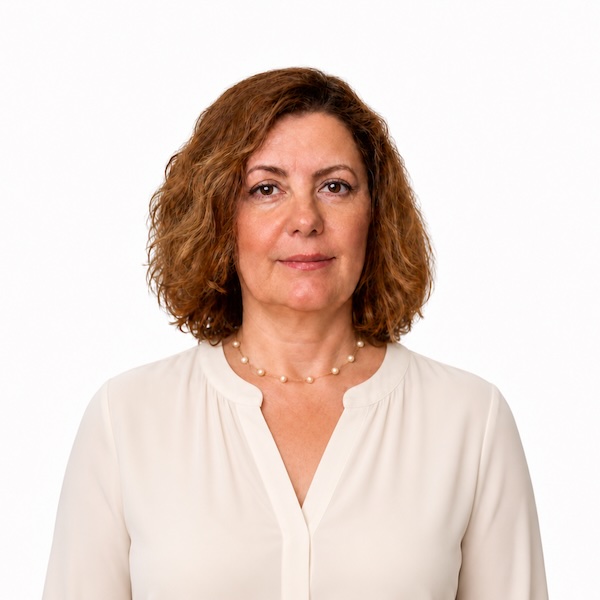
Iryna Sotnikava
Co-Founder of A.maze.S

The management team works with one system: a shared language, a shared understanding of the causes of resistance, and tools everyone applies consistently.

Change stops getting stuck during implementation: leaders understand why people resist and know how to work with it instead of forcing decisions through.

Losses from conflict and approvals go down: the team can make decisions together, even when participants have different management styles.

The company stops repeating the same mistakes: leaders understand where the organization is in its lifecycle and make decisions with that in mind.

Ready to discuss the program?
You May Also Be Interested In
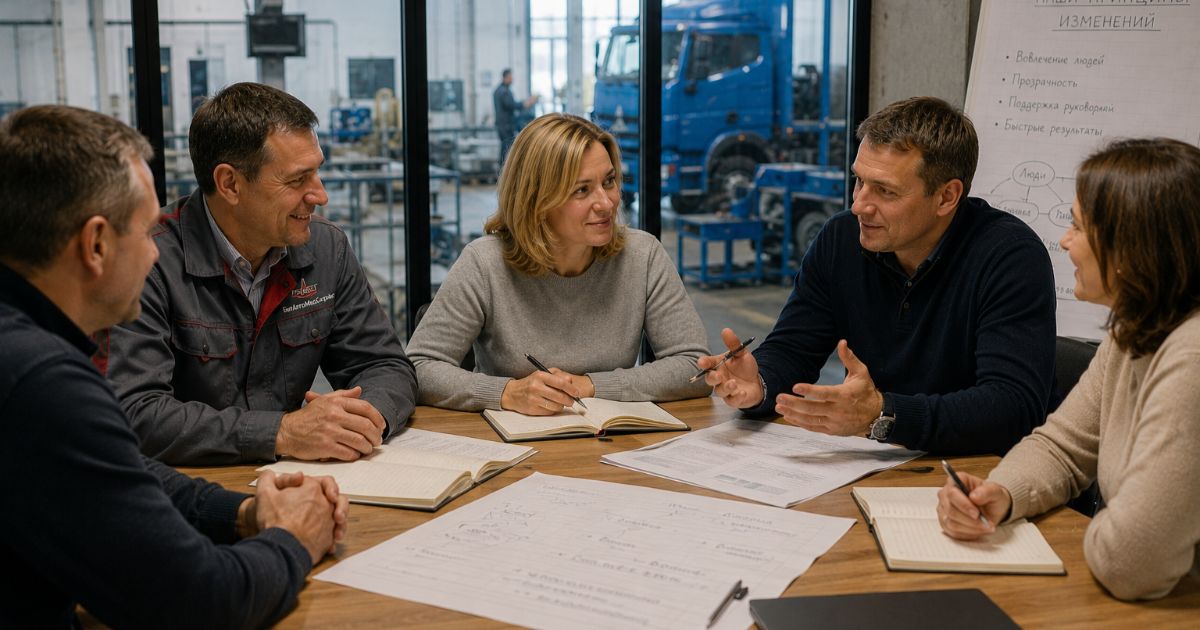
Case Study: How BelAvtoMazService Turned Change Implementation from a Project into Part of Its Management Culture
The main result was the company's ability to independently develop its own management system and adapt it to changing external conditions.
Read more All cases
Review of the change implementation project from Discovery group of companies
When we entered the project with Irina Sotnikova and the A.maze.S team, we understood: if we wanted to reach a different level of business, we needed a completely different approach to how the company itself was structured.
Read more All testimonials
«A durable integration skill helps a business handle any problem»
Every business problem is systemic in nature. They come from how companies respond to change — and that response leads to disintegration. We mean disintegration of everything and everyone: the interests of people, including owners and leaders, as well as business processes, organisational structure, the reward system, employee authority, and individual departments.
Read more All articles