

Case Study: How the Discovery Group of Companies Began Its Transition from a Local Family Business to a Professionally Managed Company
The company reached a point where further growth required not just entrepreneurial energy, but a transition to a more mature organizational system.
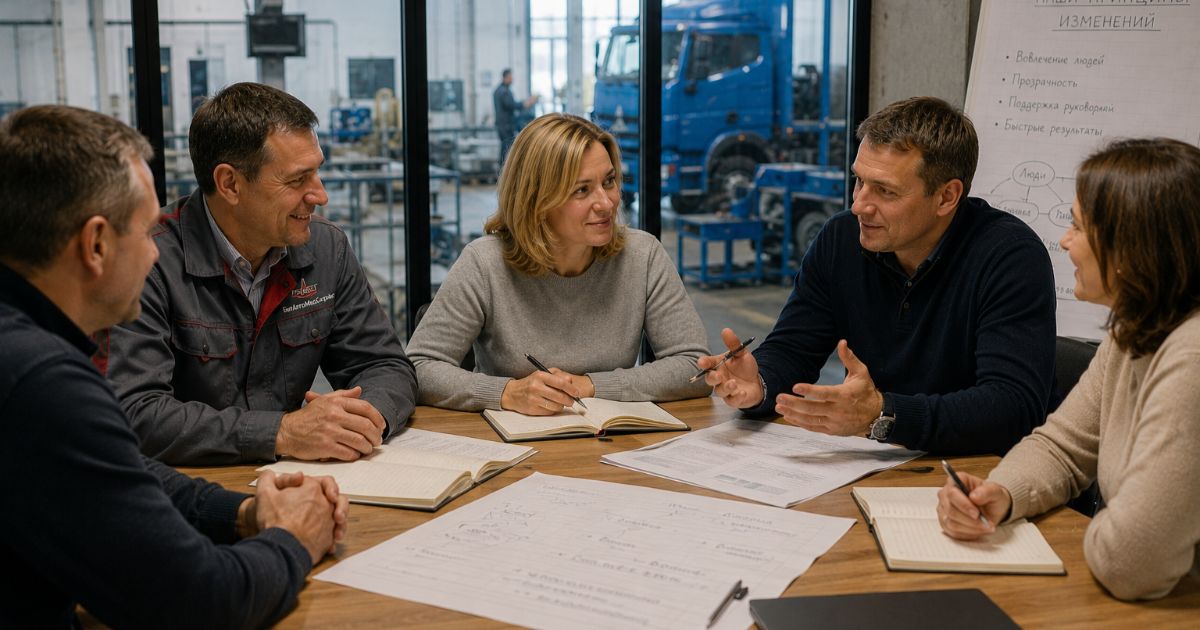
Case Study: How BelAvtoMazService Turned Change Implementation from a Project into Part of Its Management Culture
The main result was the company's ability to independently develop its own management system and adapt it to changing external conditions.

Case study: Strategic session for a high-growth HRTech startup
This engagement became more than a planning exercise — it was the client's first step toward mature strategic management.

Case study: How Lyvin Properties moved from scattered action to a shared direction
This engagement wasn't about tasks. It wasn't even about strategy. It was about creating the space to stop, take stock, and reach genuine agreement — on what matters, what's real, and where the business is headed.

Case study: Building a growth strategy for Alsi Group
When a group of companies reaches the point where further growth requires more than a strong product and the founder's energy — it requires clear strategic focus and the ability to scale systematically.

Case study: Building a transformation strategy for an IT integrator
We wanted a strategy to build on — not to be left behind.
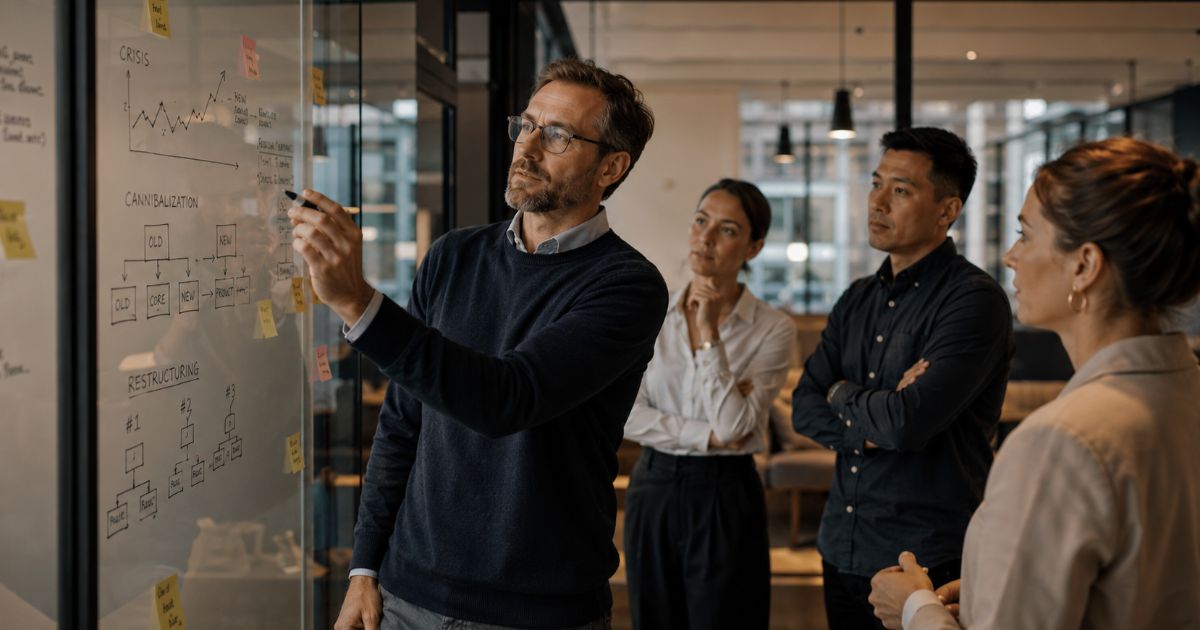
Case Study: How a company navigated three waves of strategic transformation, retained its entire team, and became a product-led business
An inside account of the engagement — from the perspective of the consultants who guided the organization through successive crises, deliberate self-disruption, and three structural rebuilds.

Case Study: Management Training Program for Resolut's International Team
When a company scales quickly, management gaps become costly. This is the point at which structured management stops being a formality — and starts being the foundation that protects quality, pace, and the team's capacity to sustain it.




























A.maze.S - ваш партнер в построении сильного бизнеса
Мы помогаем собственникам и управленческим командам создавать прорывные стратегии и выравнивать под них структуру, систему управления и команду.