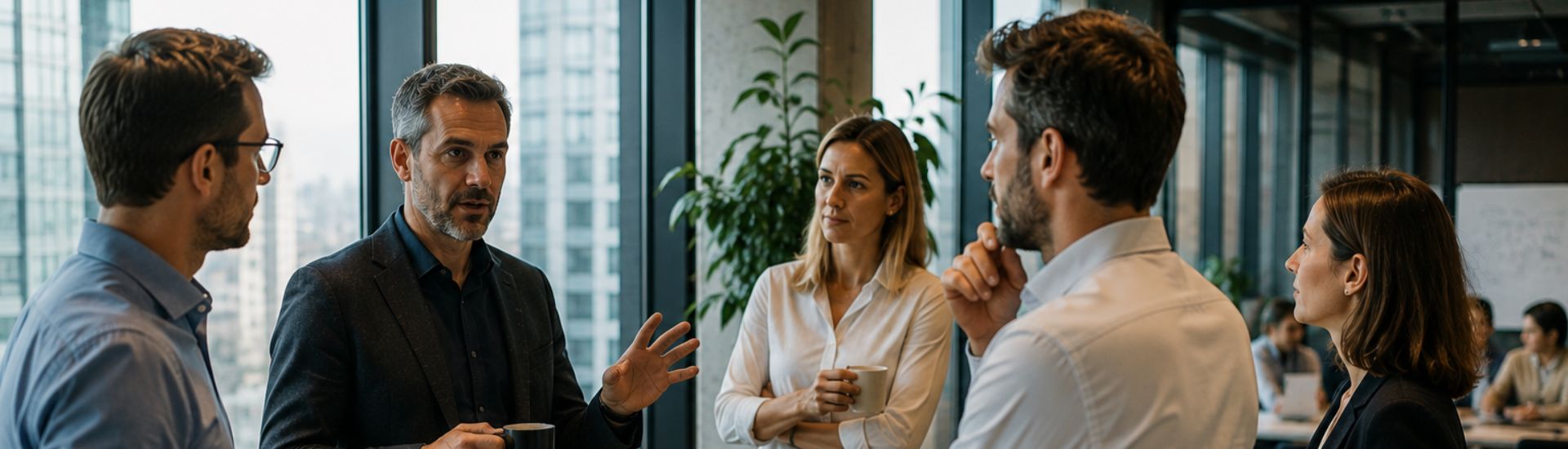
In one or two days, the team moves from scattered opinions and debates to aligned decisions and a shared understanding of what happens next.
Most sessions called “strategic” are well-organized exchanges of opinions. At the end, there are plenty of flip charts and a feeling that important things were discussed. Two weeks later, everything goes back to the way it was.
We work differently. A session is a point where concrete decisions are made and agreements are captured, leading directly to action. If a session does not end with clear next steps, it is not our format.

The team is planning the next year, but everyone has a different picture of the current situation. There is no shared understanding of where things really stand.

There are several possible directions for growth, but the team cannot choose one and align around it.
The company has hit a ceiling, and there are no fresh solutions because everyone has been looking at the same problems for too long.

There are many ideas, but it is impossible to select the best ones. Discussions go in circles and lead nowhere, so the team spreads its focus too thin.

You want to launch a new business line or enter a new market, but the team is pulling in different directions and resources are limited.

The market has changed, but the team does not have a shared understanding of the threats or how to respond to them.
The situation has changed suddenly and quick decisions are needed, but alignment is taking too long and time is slipping away.
The year is ending, and the team does not have a shared answer to the question: “where are we going next?”
You understand that change is needed, but the plan is not coming together because there are too many disagreements inside the team.

There was a strategy, but the team cannot honestly review what worked and why, or how to scale it. Everyone has their own version of the results.
Most facilitators can organize the process, keep the timing, and make sure everyone has a chance to speak. That is useful, but it is not enough for a strategic session.
Our consultants have spent more than 20 years developing strategies and supporting their implementation. We understand not only how to run the discussion, but also what a strong strategic decision looks like, where the risks are, and what is missing for implementation.
So you get more than a well-run meeting: you get a session where expertise and process work together toward one outcome.
Three principles that make our work different:
Expertise, not neutrality for its own sake.
We do not hide behind the role of “just the moderator.” If we see a weak point in the logic, we say so. Our task is to help the team reach the best possible decision, not just any decision.
The session ends with a plan, not just minutes.
We do not leave until the team has documented agreements and concrete next steps. Good ideas without owners and deadlines are not a result.
We can stay for implementation.
If needed, we support the execution of the decisions made in the session. We do not leave you with a folder of materials and disappear.
How the work runs
- Before the session
- During the session
- Outcomes and plan
- Follow-up support (optional)
Who should attend the strategic session from the company?
A strategic session works only when the people in the room include those who have the authority to make decisions and those who will be responsible for implementing them.
The CEO or owner.
Without someone who has real decision-making authority, the session turns into a discussion club. Decisions that cannot be made on the spot will hang in the air and are unlikely to be implemented.
Key managers and functional leads.
These are the people who will turn the agreements into action. If they were involved in shaping the decisions, resistance during implementation is much lower. If they simply receive a finished plan from above, pushback is almost guaranteed.
An external consultant.
Not to run the board beautifully, but to see what is hard to see from the inside: when the team is going in circles, when an obvious decision has a blind spot, or when it is time to stop the discussion and capture an agreement.
The optimal group size is 8 to 14 people. With a larger group, it becomes harder to manage the dynamics and get real involvement from everyone.
Why strategic sessions are more effective with an external consultant
It is very difficult to run an honest strategic discussion from inside the company. Not because people are unprofessional, but because everyone has their own position, their own history with colleagues, and their own sense of what is “safe” to say out loud in front of leadership.
An external consultant reduces that pressure. They have no personal stake in the outcome of the discussion, no fear of saying something uncomfortable, and no history of conflict with the participants. This makes it possible to bring up what usually stays unspoken, which is often where the real issue is hiding.
There is also perspective. A team that spends most of its time in operations sees the business from the inside. That is valuable, but it is also a limitation. A fresh outside view helps notice things the team has become used to and no longer sees.
And finally, there is the process. Without an experienced facilitator, strategic discussions turn into regular meetings: louder voices overpower quieter ones, the conversation slips into details, and agreements are not captured. The consultant keeps the focus, manages the group dynamics, and does not let the team leave without a result.

A shared understanding of the situation across the whole management team: everyone is looking in the same direction.

Decisions everyone has signed up to.
A concrete action plan with owners and deadlines.

A team involved in execution because the decisions are theirs, not handed down from above.

The consultant’s recommendations on bottlenecks that may block implementation.

Feedback on the team: how people showed up, where there is potential, and where there is risk.
Expert

Aliaksandr Pankou
Co-Founder of A.maze.S

Let’s discuss your situation

You May Also Be Interested In
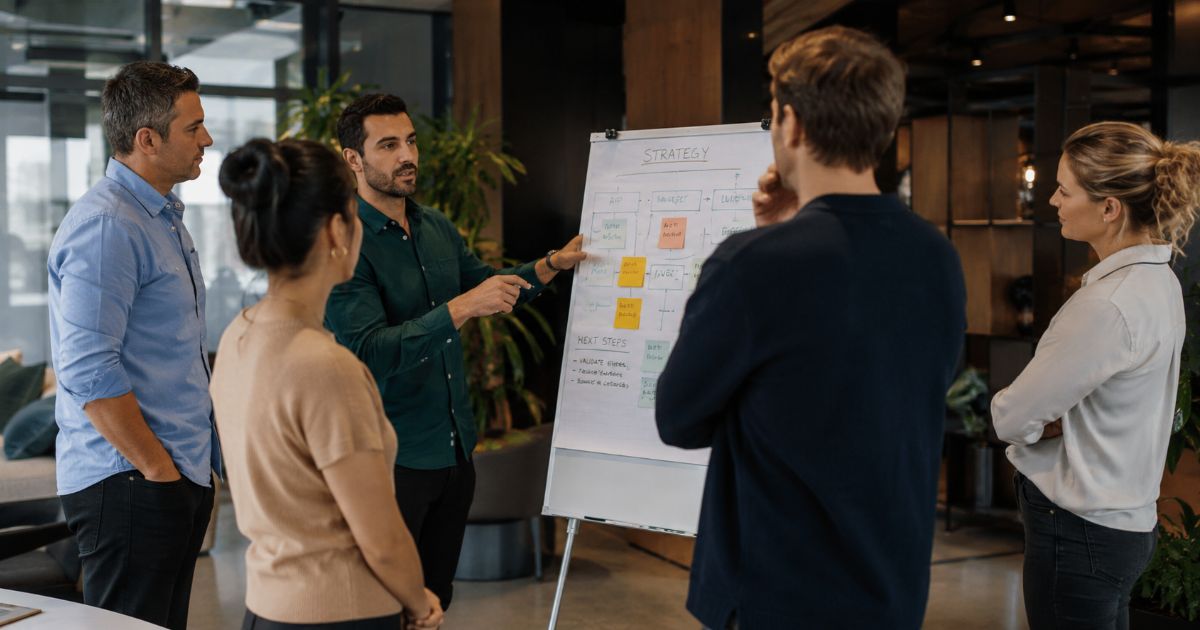
Case study: Strategic session for a high-growth HRTech startup
This engagement became more than a planning exercise — it was the client's first step toward mature strategic management.
Read more All cases
Review of the strategic session from Lyvin Properties, property developer
A.maze.S is the ideal choice for companies that want to move toward their goals with intention — not just through the efforts of the leadership, but through the whole company.
Read more All testimonials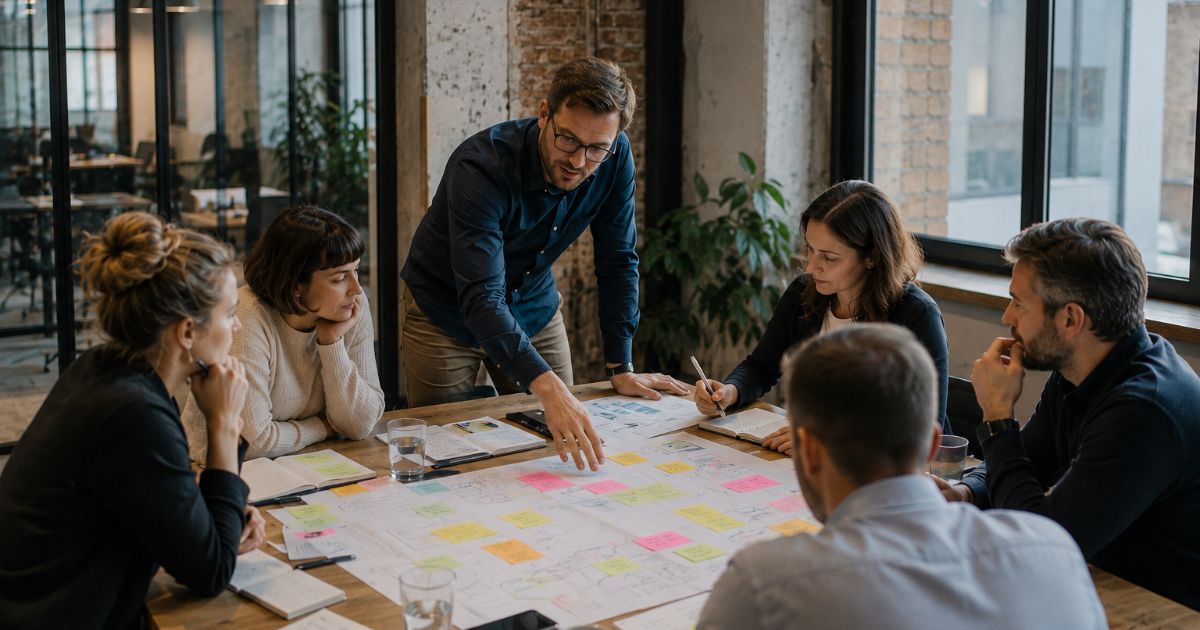
How a strategic session helps a business build a multimillion-dollar future
By some estimates, only 15–20% of business owners actually think about long-term prospects and growth. How do you look ahead to your company's future and get to work on strategic plans?
Read more All articles